By Caroline Noller

Recycled content is no longer a “nice to have.” It is becoming a critical lever for reducing embodied carbon, meeting compliance requirements, and giving real substance to the idea of a circular economy.
Across key structural material sectors, concrete, masonry, plastics, and steel, manufacturers are demonstrating that recycled inputs can match or even outperform virgin materials, while significantly lowering carbon emissions. The focus is now shifting to scaling these solutions and, critically, quantifying their impact, which is accelerating product innovation.
Cement: SCMs as a Decarbonisation Workhorse
Cement is one of the largest contributors to embodied carbon in the built environment, largely due to Portland cement. Replacing clinker with supplementary cementitious materials (SCMs) such as fly ash and slag remains one of the most effective and immediately available ways to reduce emissions.
SCMs do not just reduce carbon. They often improve durability and service life in many applications, which strengthens the whole-of-life value case when specified appropriately.
What is new, and commercially important, is the ability to quantify the benefit at the input level as well as the finished product level. Buyers now have access to a broad range of cement products with ISO-aligned carbon disclosures, enabling straightforward comparison and defensible decision-making.
Cement Australia has recently achieved Rebuilt Verified Product Carbon Footprints for two key SCM inputs themselves:
- Fly Ash Grade 1, 45.18 kg CO₂e per tonne, A1 to A3
- GGBFS Slag, 169.74 kg CO₂e per tonne, A1 to A3
This matters because it improves traceability and confidence in carbon calculations through the chain, from SCM input through to cement and concrete products that rely on it. A single low-carbon cement product can enable meaningful reductions across ready-mix and bagged concretes, blocks, pavers, and some brick products.
If every cubic meter of ready-mix concrete used Cement Australia’s Low Carbon Cement, it would avoid over 382,000 Tonnes of emissions, equal to zeroing out the carbon footprint of about 12% of Australia’s residential construction in 2025[1].
Concrete Brick, Block, and Pavers: Cement, SCMs, and Novel Waste
Low-carbon cement innovation is not limited to ready-mix concrete. The brick and block sector is a significant user of cement, both in the units themselves and in mortar. As seen through Rebuilt manufacturers, selecting low-carbon cements, incorporating reclaimed aggregates, and exploring novel waste reuse, both in materials and in curing energy, can deliver substantial carbon reductions in this sector.
Midland Bricks’ Recycled Blokstone is one example where the bulk of the product is made of recycled concrete. The Recycled Blokstone has achieved a product carbon footprint of 100.92kgCO2e/tonne and up to 88% of recycled content.
Recycled Plastics: Small Components, Big Impact
Recycling innovation has also extended to plastics, which are widely used in buildings through membranes, ties, films, and bar chairs.
Individually small, these components add up at scale. Low-carbon alternatives are now available, such as Transmutation’s recycled plastic concrete bar chairs made from PostPrime® recycled pellets, delivering nearly 50% lower carbon emissions compared to virgin plastic equivalents.
At approximately one bar chair per square metre of slab, and with around 34 million square metres of residential construction each year in Australia alone[2]. If every bar chair in Australian residential construction were a Transmutation PostPrime® chair, it would save over 2,380,000 kilograms of carbon emissions a year.That is just bar chairs; the same improvement applies to any item made with Transmutation pellets.
Recycled Steel: Circularity at Industrial Scale
Steel is already one of the most recycled materials globally. In Australia, producers such as InfraBuild manufacture reinforcing steel from scrap using electric arc furnaces, achieving substantially lower emissions than traditional blast-furnace steel.
Precast Concrete and Concrete Block: Where Smart Choices Compound
The precast concrete sector has a particularly strong opportunity to reshape its carbon footprint. With growth in large-scale industrial, data centre, and linear infrastructure projects, precast construction is well-positioned to lead decarbonisation efforts.
The inherent advantages of precast, reduced waste, slimmer sections, and flexible design, can be amplified by using low-carbon cement and SCMs, low-carbon steel or fibre reinforcement, and recycled plastic components. Combined, these choices can deliver carbon reductions of 40% or more per unit (e.g. per square metre of wall panel).
Precast customers are often regulated or publicly listed organisations, leading the way in carbon reporting. In this context, credible and comparable carbon labelling creates value for both manufacturers and buyers.
From Good Intentions to Usable Data
What connects SCM cements, concrete products, recycled plastics, recycled steel, and integrated precast systems is a shared drive to reduce carbon. With ISO-grade, product-specific carbon data now available, such as through Rebuilt, these innovations translate into measurable value. Manufacturers can evidence their progress, and customers can confidently incorporate verified reductions into reporting and decision-making.
The Bottom Line
Circular economy innovation is already delivering real and meaningful carbon reductions. If these solutions were widely adopted in Australian housing alone, the embodied carbon footprint of housing could fall by 20% or more. At roughly one tonne of carbon per square metre today, that is an impact worth scaling, and worth Rebuilt getting behind.
If you are supplying building products and want your carbon data to be customer-ready, Rebuilt can help you generate ISO 14067-aligned, verified Product Carbon Footprints and publish them in a format customers can actually use. Start a free trial, book a demo, or list your products on the marketplace
[1] GBCA, “Our homes weigh a tonne”
[2] GBCA, “Our homes weigh a tonne”
Discover more
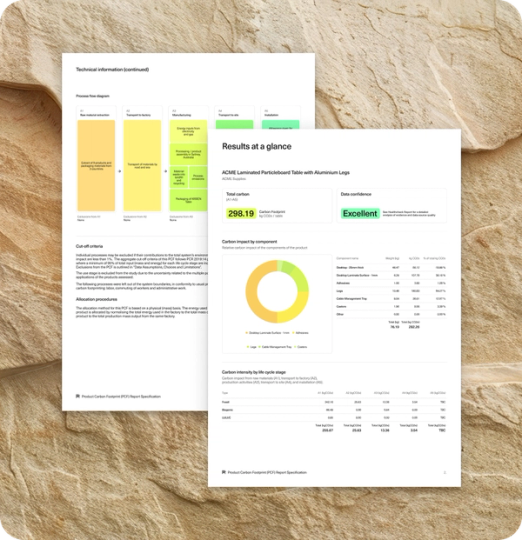
Corporates won’t hit their carbon targets without fixing this data problem
Insights
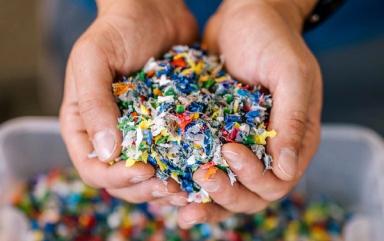
Recycled, recyclable, or just wishful thinking?
Insights
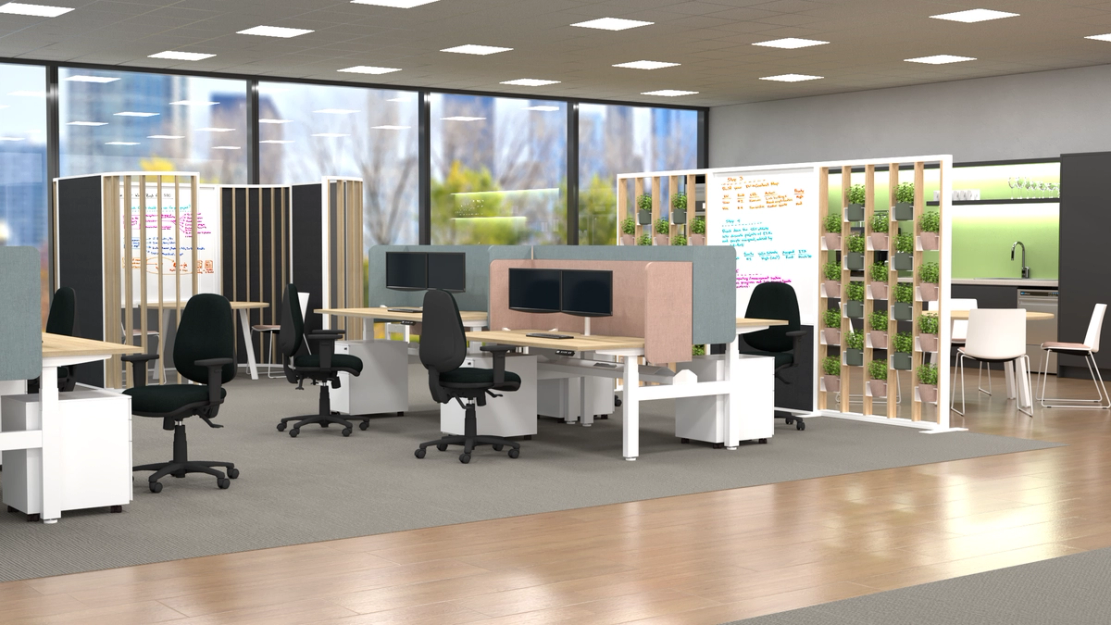
From product carbon to product innovation, what Rebuilt’s work with furniture manufacturers is showing
Insights
EPD or PCF? How to keep building product-specific data working hard in a capital-constrained economy
Insights
Product Carbon Footprint Labels: Quantifying the Value of Circular Materials in Reshaping Construction
Insights

Make carbon a feature, not a footnote: Turn every chair, workstation, and panel into verified data
Insights